 +86 15163155655
-

-

-
 WeChat Scan



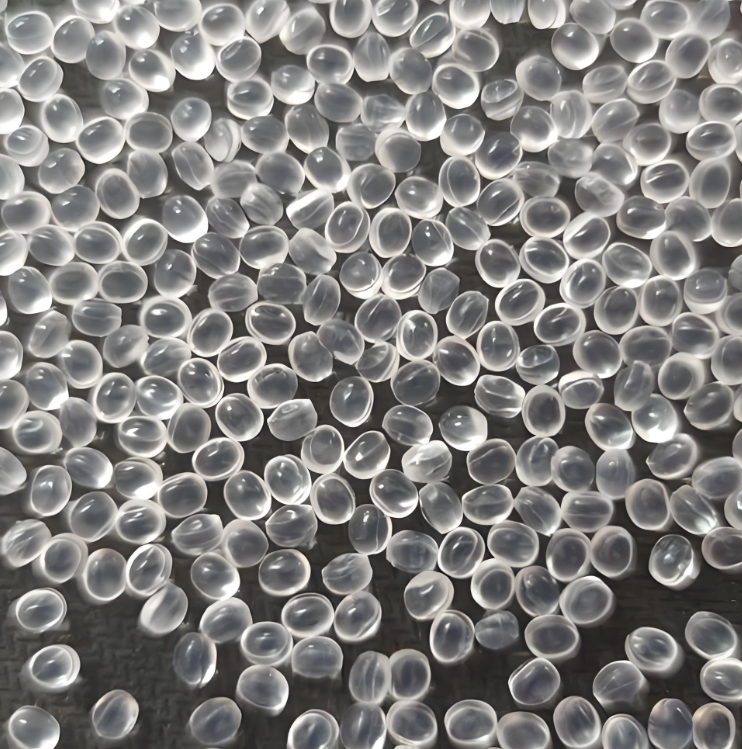
Driven by the dual forces of photovoltaic new energy and automotive lightweighting, POE is undergoing a critical transition from technological breakthrough to industrial scale-up. The commencement of construction of Zhejiang Petrochemical's 400,000-tonnes-per-year POE plant in July 2025 marks a major breakthrough in this "bottleneck" field for China. Leveraging the self-developed ZoneFlex™ solution polymerization process with the Vemetsol™ metallocene catalyst and the Zyneson™ co-catalyst system, the product achieves 99.6% purity with performance matching global leaders. This breakthrough raises single-line capacity to 100,000-tonnes, directly driving down domestic POE cost by 30% and laying a solid foundation for import substitution.
Market demand is growing explosively. In photovoltaics, POE encapsulant film, with moisture-barrier performance three orders of magnitude better than EVA and superior weatherability, has become the preferred encapsulation material for N-type TOPCon and HJT modules, with global PV-grade market penetration jumping from 20% to 40% in 2025. In new-energy vehicles, POE as battery-pack sealing material and modification toughener significantly improves low-temperature performance and impact resistance; with global EV penetration exceeding 30%, demand in this segment grows at over 25% annually. Industry forecasts project the global POE market to expand at a 7.8% CAGR over the next five years, with the Chinese market growing 12% annually and surpassing RMB 30 billion by 2030.
Domestic substitution is reshaping the market landscape. The import-dependent situation has been thoroughly broken, with process packages from firms like Zhejiang Zhiying having passed industrial verification. Domestic POE self-sufficiency is expected to rise from below 20% to 60% by 2026. This autonomy not only secures supply for strategic industries such as PV and new-energy vehicles but also continuously expands application boundaries through technology iteration, with penetration in high-end cables and medical packaging rising from 5% to 15%.
EVA is experiencing a structural "frost and fire" transformation: the high prosperity of PV-grade products contrasts sharply with the oversupply of general-purpose grades. August 2025 data shows PV-grade EVA prices rose 11.1% against the trend, with Yangzi BASF V6110M quoted at RMB 11,700/tonne, while common foaming-grade products stayed at RMB 8,000-9,000/tonne. This divergence stems from explosive PV industry growth—against a 35% YoY rise in global PV installations, domestic PV-grade EVA monthly production reached 140,000 tonnes, with some manufacturers fully booked through the end of the month.
Technology upgrades drive product premium capability. Yanshan Petrochemical's PV-specific grade EVAC28V25, with precise VA content control (28-33%) and optimized additive system, achieves light transmittance above 92% and stable crosslinking degree above 85%, meeting the strict requirements of high-efficiency modules. Leading firms like Lianhong New Materials plan to raise high-VA-content product capacity to 350,000 tonnes/year to match the higher aging-resistance requirements of TOPCon modules. This technology barrier gives PV-grade EVA a premium in the overall market, with gross margin 15-20 percentage points higher than general-purpose grades.
The market pattern shows a dynamic "substitution and coexistence" balance. Although POE is rapidly penetrating N-type modules, EVA, with mature process and lower cost, still holds over 70% of the P-type module market. In traditional fields, EVA maintains competitiveness through performance upgrades: high-elasticity grades hold 65% market share in footwear, and high-VA-content products for hot-melt adhesives (such as EVA32J20T) achieve import substitution in packaging. By 2030, the global EVA market is expected to exceed USD 40 billion, with China's PV-grade EVA demand share rising from 45% in 2025 to 55%.
Asia-Pacific accounts for over 50% of the global market share, with China's East and South regions as traditional manufacturing clusters contributing over 60% of domestic output. Central and Western China, benefiting from industrial-transfer policies, are emerging as new growth poles.
On the export side, China's annual plastic pellet exports are expected to grow from RMB 150 billion in 2025 to RMB 250 billion in 2030, with significant potential in Southeast Asia, Africa and other "Belt and Road" countries. The European market, with tightening environmental regulations, is seeing significant import demand for biodegradable and recycled plastic pellets.

QQ Chat

QQ: 706707841
+86 15163155655
WeChat Scan
hxgrouphk
Message Us